
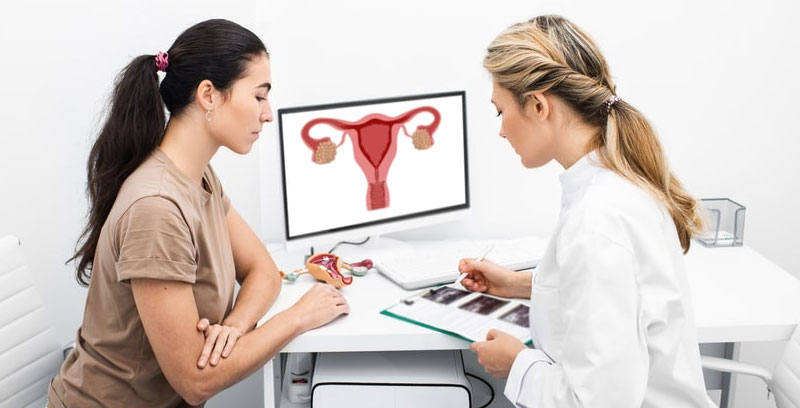
Common Gynecological Problems and When to Seek Help
Gynecological health plays a vital role in a woman’s overall well-being. Many women experience gynecological issues at different stages of life, yet symptoms are often ignored or considered “normal.” Early evaluation and timely treatment can prevent complications and improve quality of life.
Irregular Menstrual Cycles
Irregular periods may include delayed cycles, heavy bleeding, very light periods, or missed periods. Hormonal imbalance, stress, weight changes, or conditions like PCOS can be responsible. Persistent irregularity should be medically evaluated.
Pelvic Pain and Cramps
Occasional mild pain during periods is common, but severe or ongoing pelvic pain may indicate infections, fibroids, endometriosis, or ovarian cysts. Any pain affecting daily activities requires medical attention.
Abnormal Vaginal Discharge
Changes in color, smell, or amount of vaginal discharge may suggest infections. Timely treatment helps prevent complications and maintains reproductive health.
Urinary and Vaginal Infections
Frequent urination, burning sensation, itching, or discomfort are common signs of urinary tract or vaginal infections. Early diagnosis ensures faster relief and avoids recurrence.
When Should You Seek Medical Help?
Consult a gynecologist if you experience:- Very heavy or prolonged menstrual bleeding
- Severe pelvic or abdominal pain
- Missed periods not related to pregnancy
- Unusual vaginal discharge or odor
- Pain during intercourse
Importance of Regular Gynecological Checkups
Regular gynecological visits help in early detection of health issues, preventive screening, and personalized guidance. Open communication with your doctor ensures better reproductive and overall health at every stage of life.